
Chúng Ta Cùng Nhau
Where We Came From, and Where Vietnamese Edmonton Goes Next
In a little over a year, Linda Hoang and her co-founder Jessica Truong turned a conversation about the 50th anniversary of the fall of Saigon into a registered nonprofit, a travelling exhibit and a growing community archive of Vietnamese Edmonton stories.
Where it began
2025 marked 50 years since the fall of Saigon, the end of the Vietnam War and the start of a mass exodus that included Linda's parents. Most Vietnamese Edmontonians are boat people or refugees who arrived after 1975, or their children and grandchildren. Linda and her friend Jessica, whose parents were also boat people, began talking about what that anniversary meant for people like them.
Both wanted to connect with their culture, pass heritage on to their own children and one day visit Vietnam. But the people they would normally ask carried painful memories, and approaching those memories meant moving gently. Jessica's father had died a few years earlier, and she could no longer ask him her questions at all. "We want to learn about our culture, but we need to approach it very gently," Linda says, "because the people that we would normally ask carry all of this baggage with it."
They also found that existing Vietnamese cultural events, while valuable, spoke to an older generation and a more traditional way of doing things. Many people their age, and a decade older or younger, did not see themselves in those spaces. So they decided to create their own: events and programming that preserve and celebrate Vietnamese heritage as an open invitation for everyone to learn and celebrate together.
Building trust
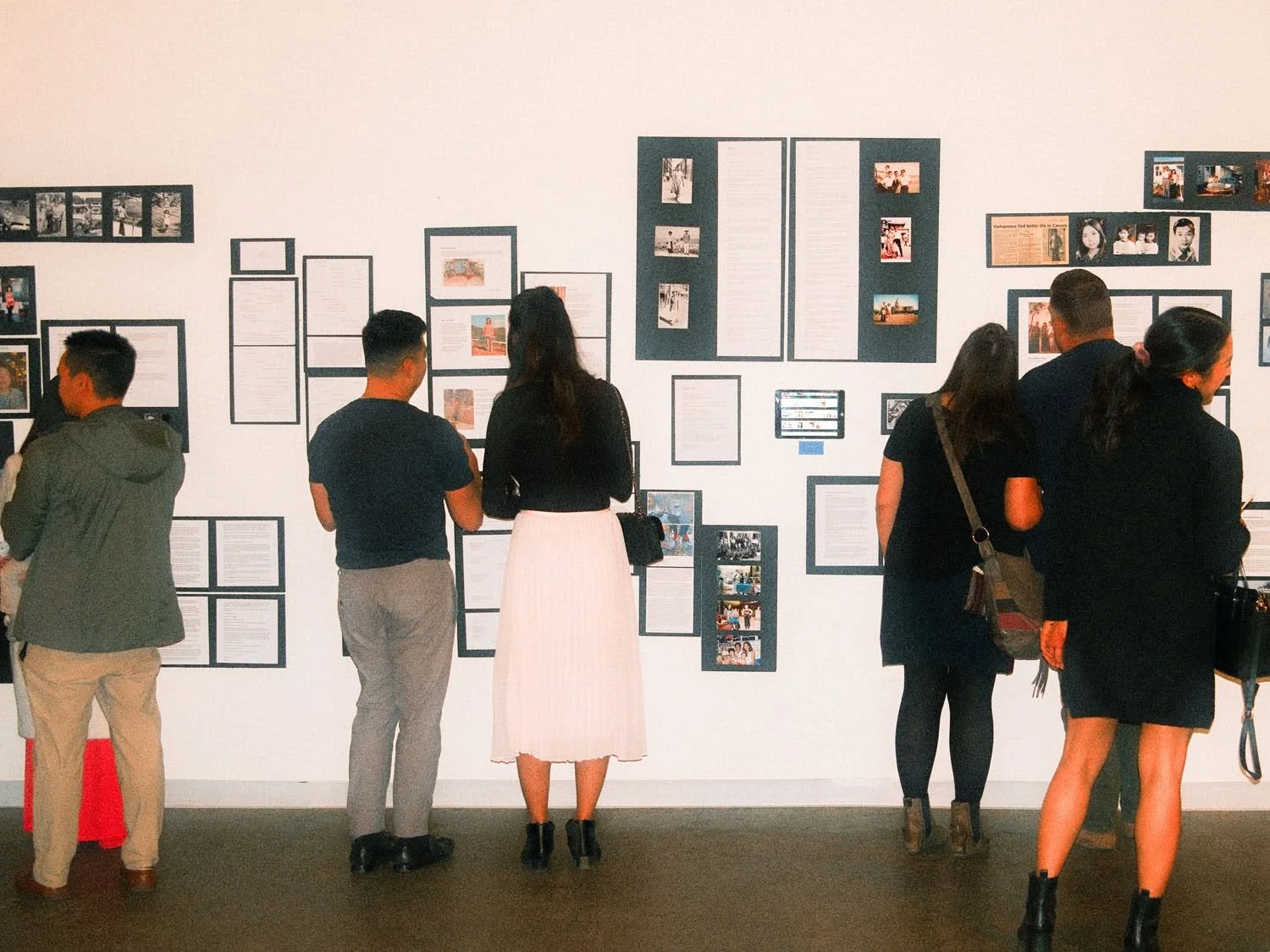
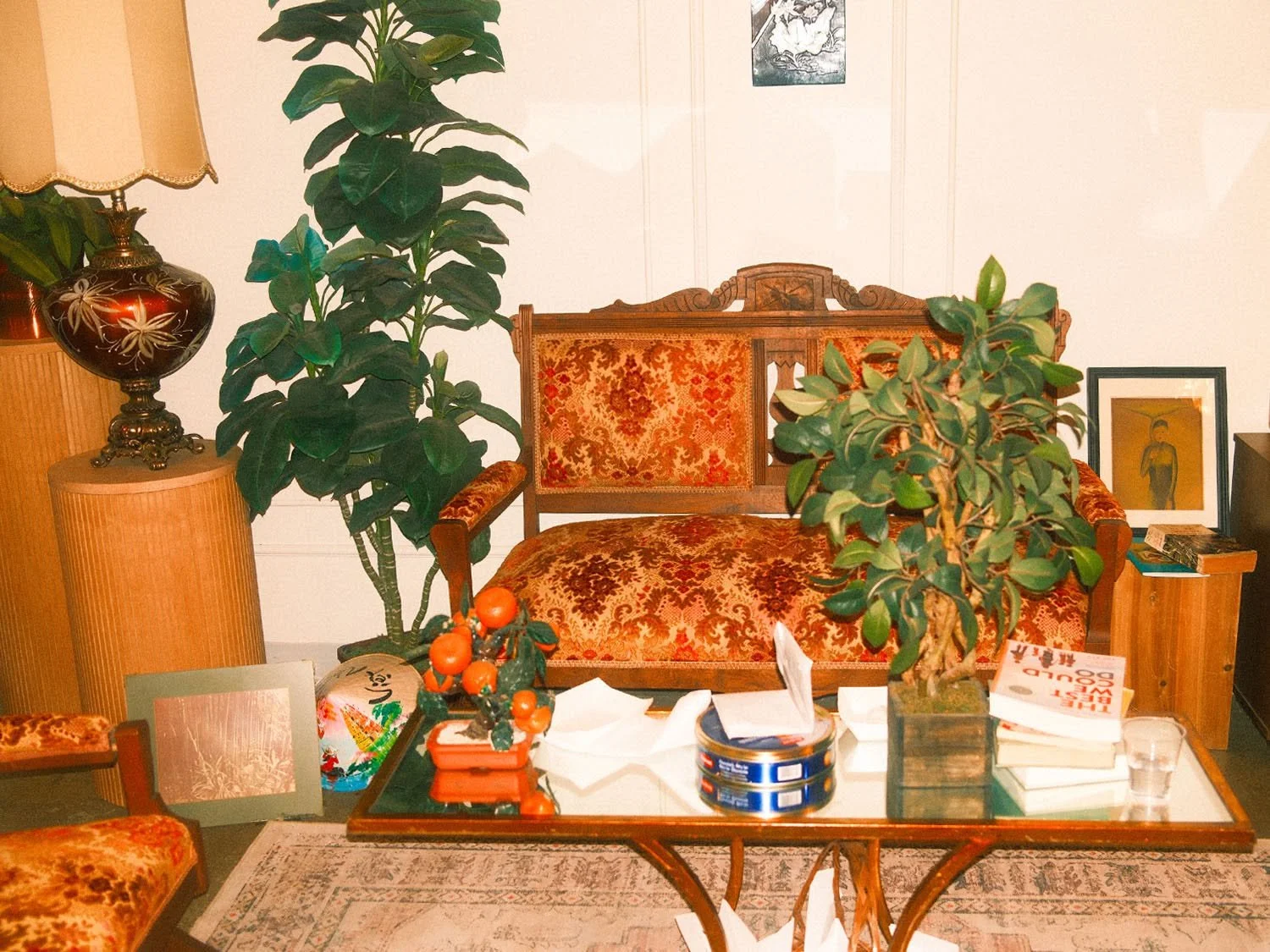
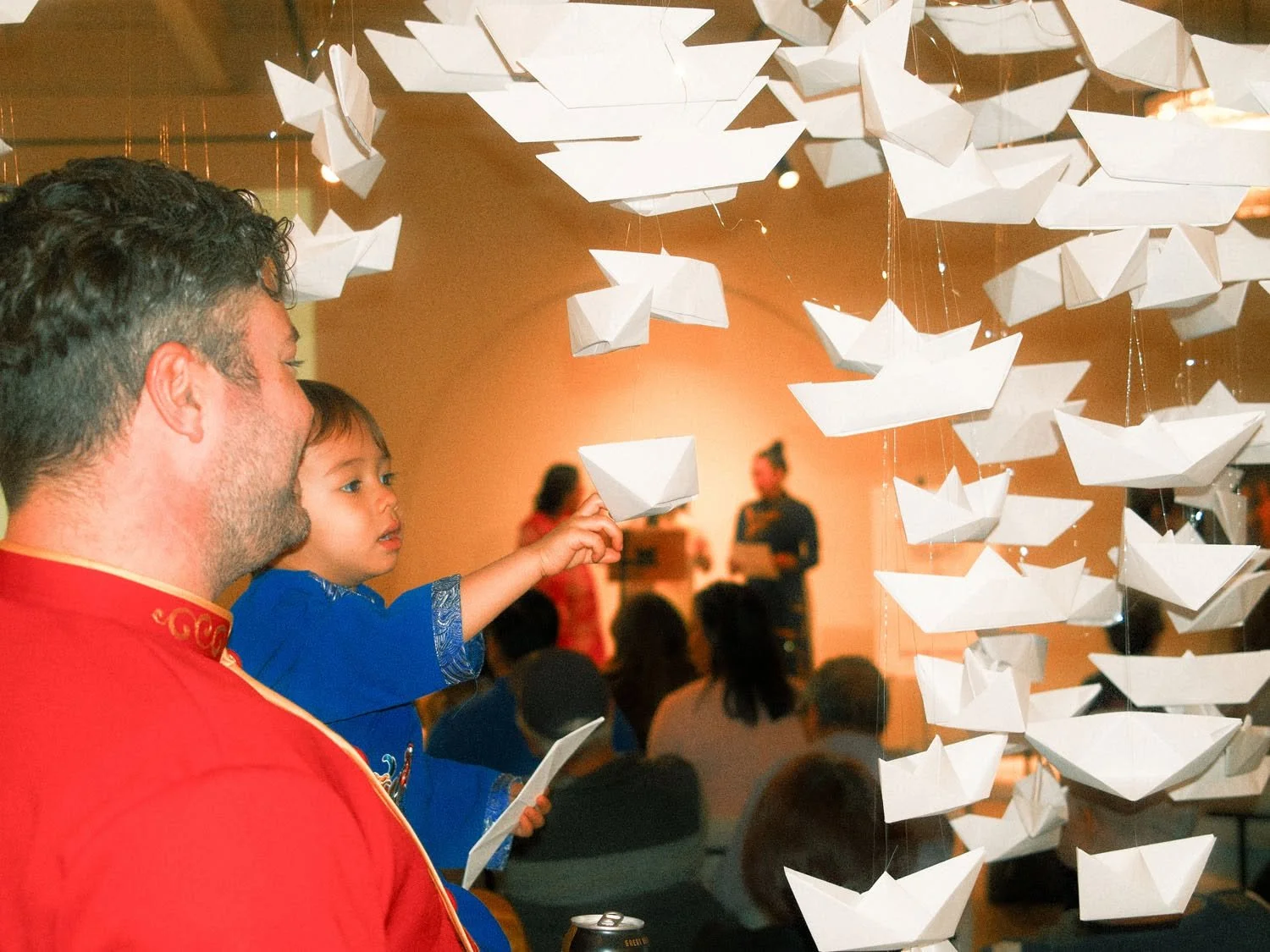
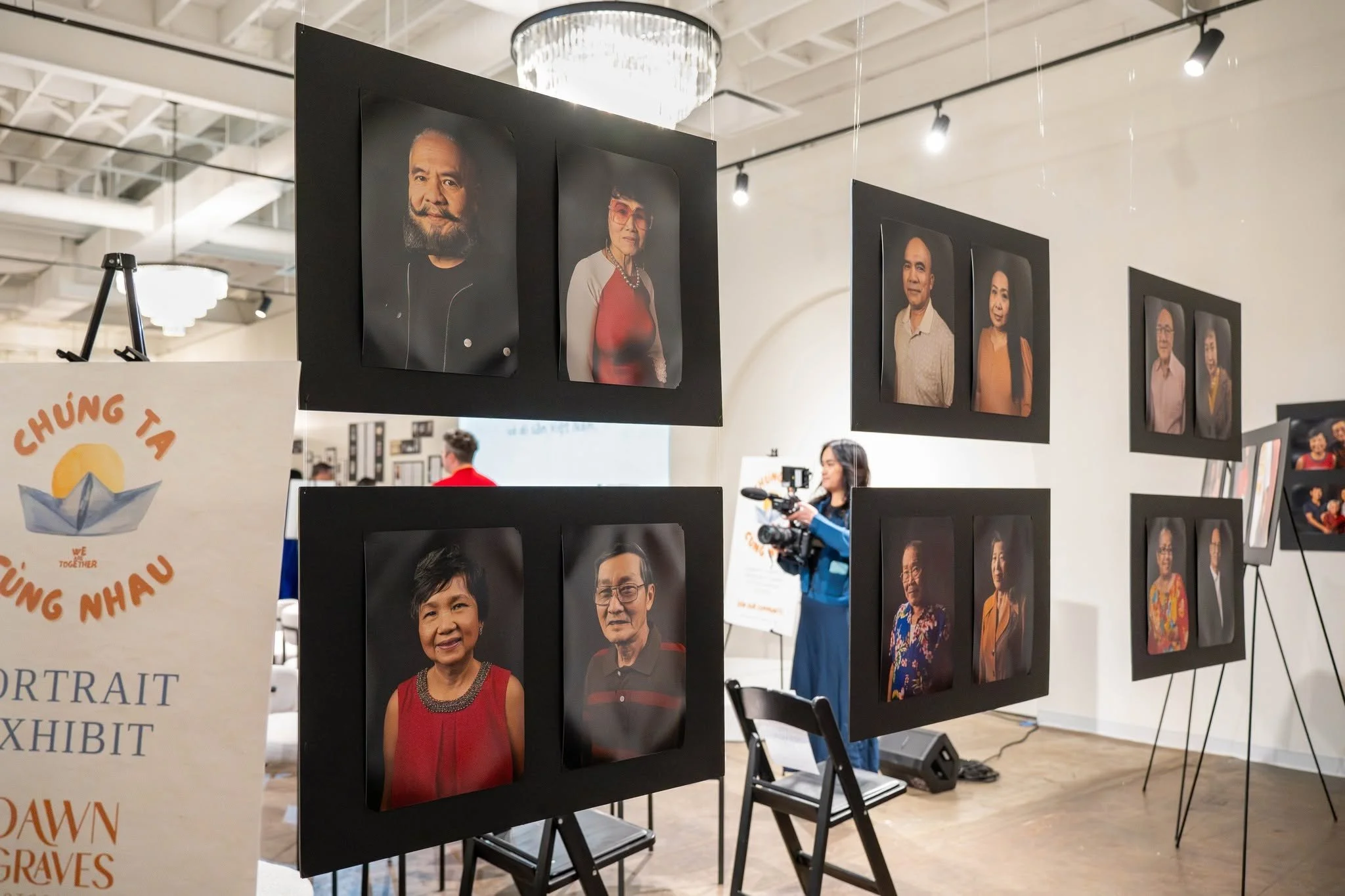
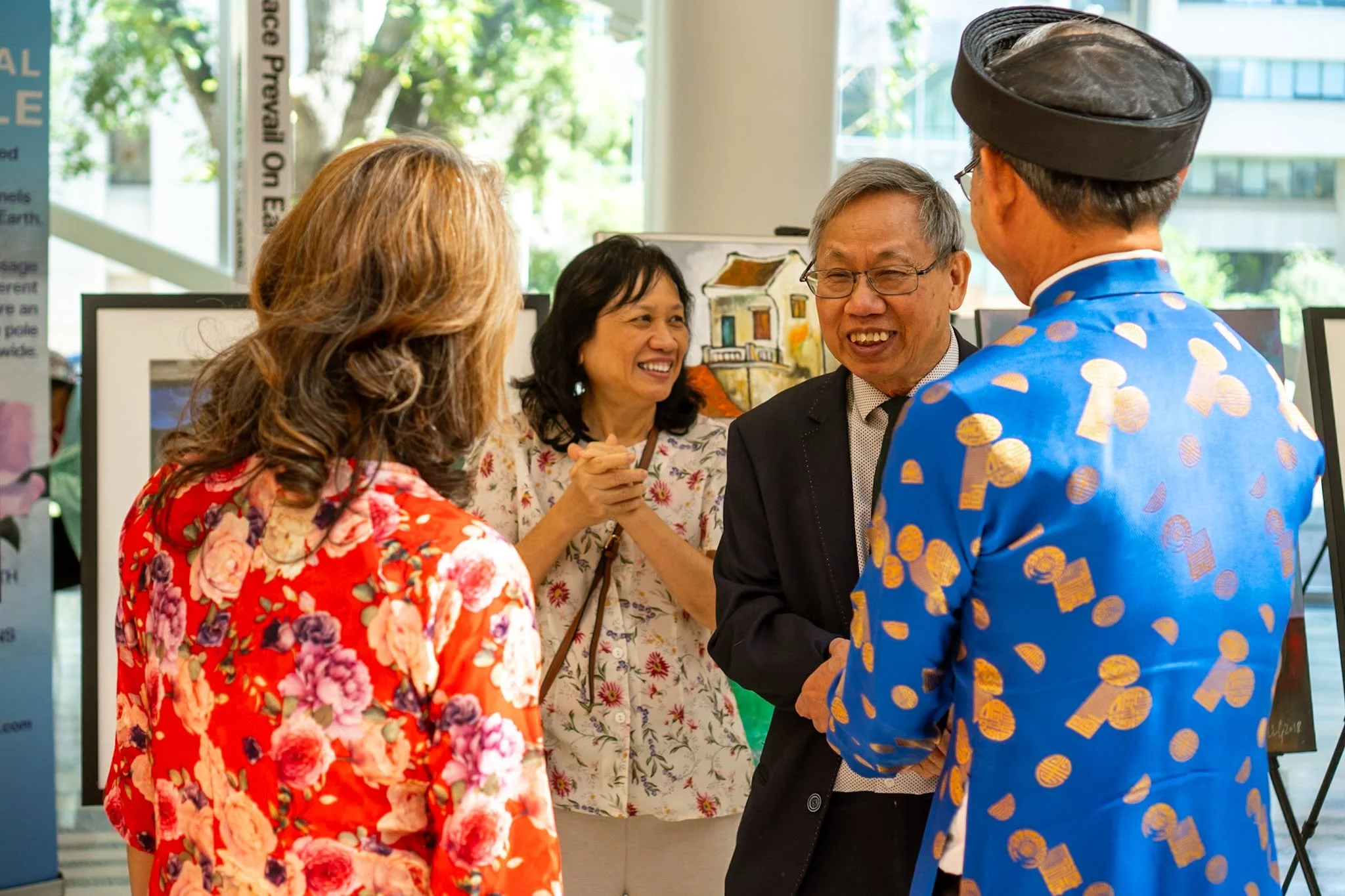
The anniversary shaped the theme of their first event in November 2025, Where We Came From and Where We Go From Here. It looked back at the settlement stories of the boat people, and forward to what the next generation makes of that inheritance. Young and old speakers shared their stories, and a pop-up recreation of a Vietnamese living room gave the evening a physical heart. The same title carried into the May 2026 exhibit, which EHC sponsored. That exhibit has since been shortlisted for the 2026 Governor General's History Award for Excellence in Community Programming.
Alongside the event, they put out a call for stories, poems and reflections. About 30 came in, which Linda calls exciting for a brand new group asking people to share deeply personal material. Roughly 90 per cent came from people she and Jessica did not know. Linda is well connected across Edmonton but not within the Vietnamese community, while Jessica's family had deeper local ties, so the two filled each other's gaps.
The outreach combined word of mouth, personal networks, Vietnamese restaurants and business owners, a website and social media. With no budget, that was most of the marketing.
They were deliberate about not positioning themselves as a rival to the Vietnamese association, which has its own history and politics and has traditionally served the older generation. They wanted its buy-in instead. Linda asked her mother to arrange a meeting with someone from the association, and a connection through Councillor Thu Parmar, the city's first Vietnamese city councillor, whose aunt is well known among older community members, helped further. Language barriers and a degree of caution toward newcomers are real, Linda notes, so having someone personally vouch for them mattered.
The response has confirmed the need. People have told Linda the events gave them the prompt they were missing to reflect on their parents' first years here, and some have had conversations with their fathers they had never had before.
Support and legitimacy
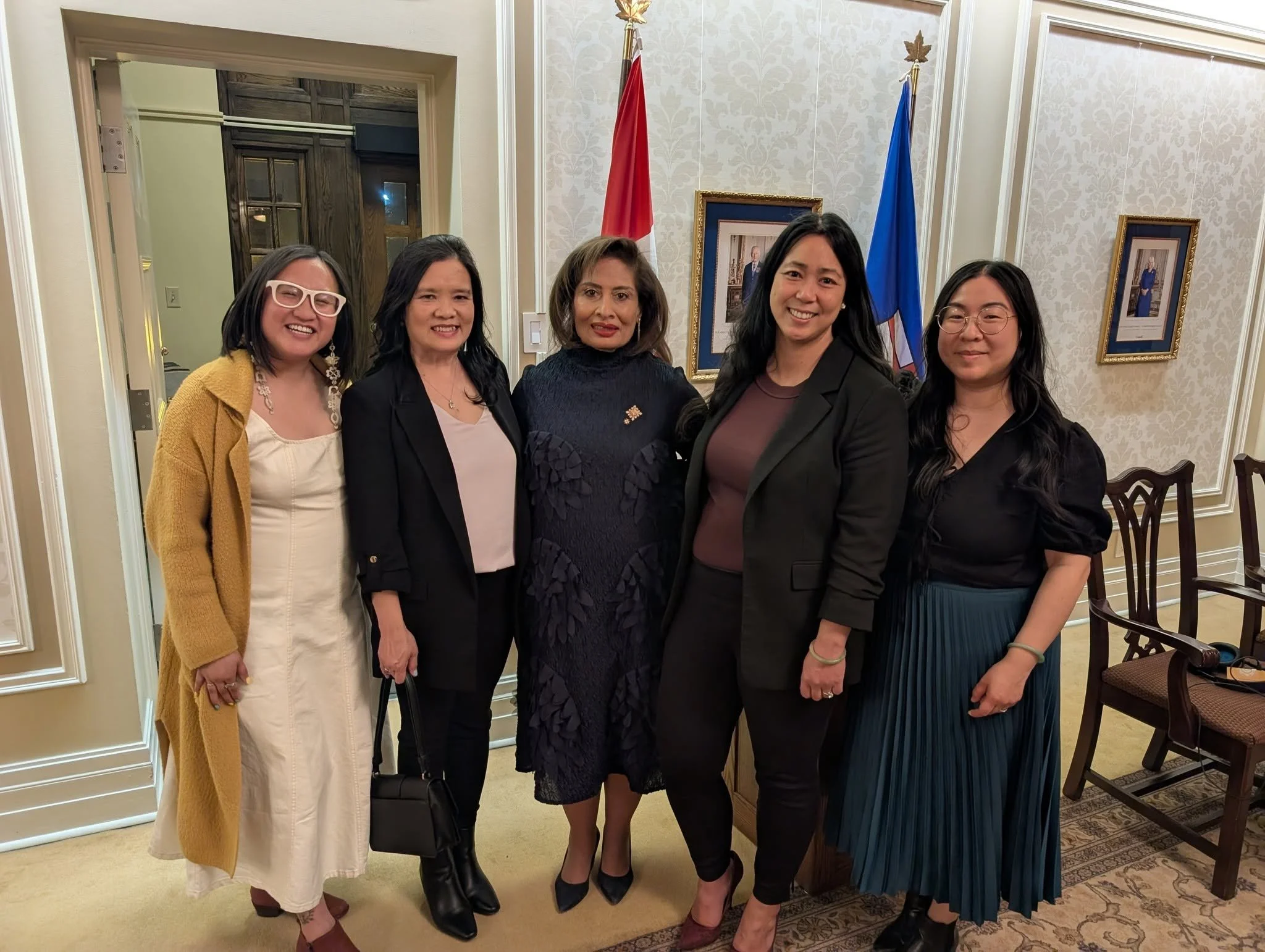
Institutions were looking for what the group offered. The City of Edmonton Archives had been trying to gather stories from more communities and was keen when it saw their November event. The Edmonton Community Foundation was seeking ways to reach more groups in a trusted way. EHC's sponsorship was modest, Linda says, but it made a real difference to a brand new entity, and the conversation about which grants fit helped them shape early ideas. Beyond the money, backing from EHC and the Foundation lent credibility, especially with older community members.
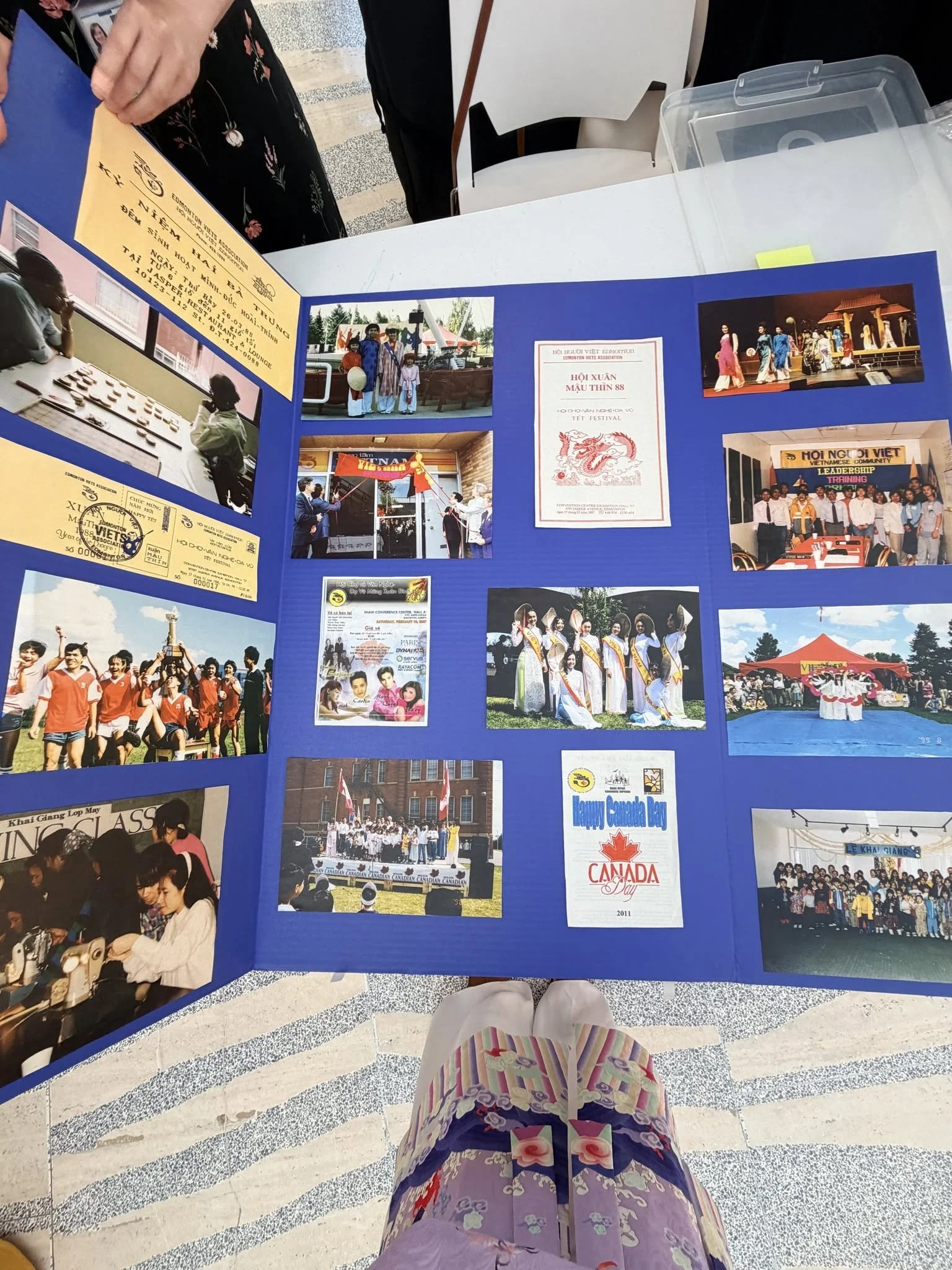
That conversation also led to their biggest internal project of the year, a Community Archives grant project. Linda connected an archivist with the former president of the Vietnamese association, who had kept years of photos and videos, and part of the grant paid for identifying the people in them. The Edmonton archive went from zero Vietnamese items to more than 2,000. Some of those photos are now on display in the Prince of Wales building. At a Vietnamese Women's Day event, a photo from the collection prompted a message from a stranger: "That's my grandma."
The group has since become a connection point for people and organizations. The Royal Alberta Museum is exploring stories of Vietnamese labour in Alberta, and a Vietnamese newspaper recently asked for local comic artists. Linda's answer is often that they may not be the right people, but they probably know someone who is.
Becoming a registered nonprofit with a board was driven mainly by funding, since many grants require it, and by longevity. It also adds credibility: a physician on the board, Linda notes, carries weight with many Vietnamese families. Older supporters keep asking why they are not a charity, since they would like tax receipts.
The unglamorous parts
From the start, Linda and Jessica agreed they would cover costs from their own pockets if sponsors did not come through. Money is still the main constraint. They have bigger ideas than they can responsibly fund, and everyone involved holds a full-time job, so the work is full-time volunteering.
Linda's marketing and event experience has saved time, and she is candid that much of what happened would be harder without it. Things first-time organizers rarely plan for include print lead times, sourcing furniture months ahead and finding someone with a truck. Just before the exhibit, their printer changed ownership, and the new owners could not open the file for the main statement piece. They found a new printer in time, but it was close.
Linda also points to the invisible labour of partners, friends and family who help set up, drive and fill gaps. Groups without that network have a harder time, and finding volunteers for exhibit hours has been difficult.
The nonprofit registration brought its own friction. Linda filed paperwork for Cat Fest and for this group at the same time. One was approved quickly, while the other came back with one small correction at a time, adding about a month.
What comes next
Fresh from a board meeting the night before our conversation, Linda describes a long list of ideas and the familiar question of who will carry them all out.
The priorities center on the recreated home and growing up Vietnamese in Edmonton. The group wants the Where We Came From and Where We Go From Here exhibit to travel into other spaces, such as schools and other museums, and plans a new call for stories focused on arriving and early life in Edmonton. It also hopes to gather recipes and stories of mothers and grandmothers cooking, picking up the recreated kitchen that did not fit the exhibit space, and to explore a digital living room with EHC as an extension of the Edmonton Living Rooms project. In September the group announced Dr. Hoang Dinh Tri as its inaugural Vietnamese Elder and Cultural Heritage Advisor. The role is modelled on the historian laureate, and he is considering a project for 2027. Linda also wants to keep building connections with key community figures, including a former president of the Vietnamese association who ran several well-known local restaurants.
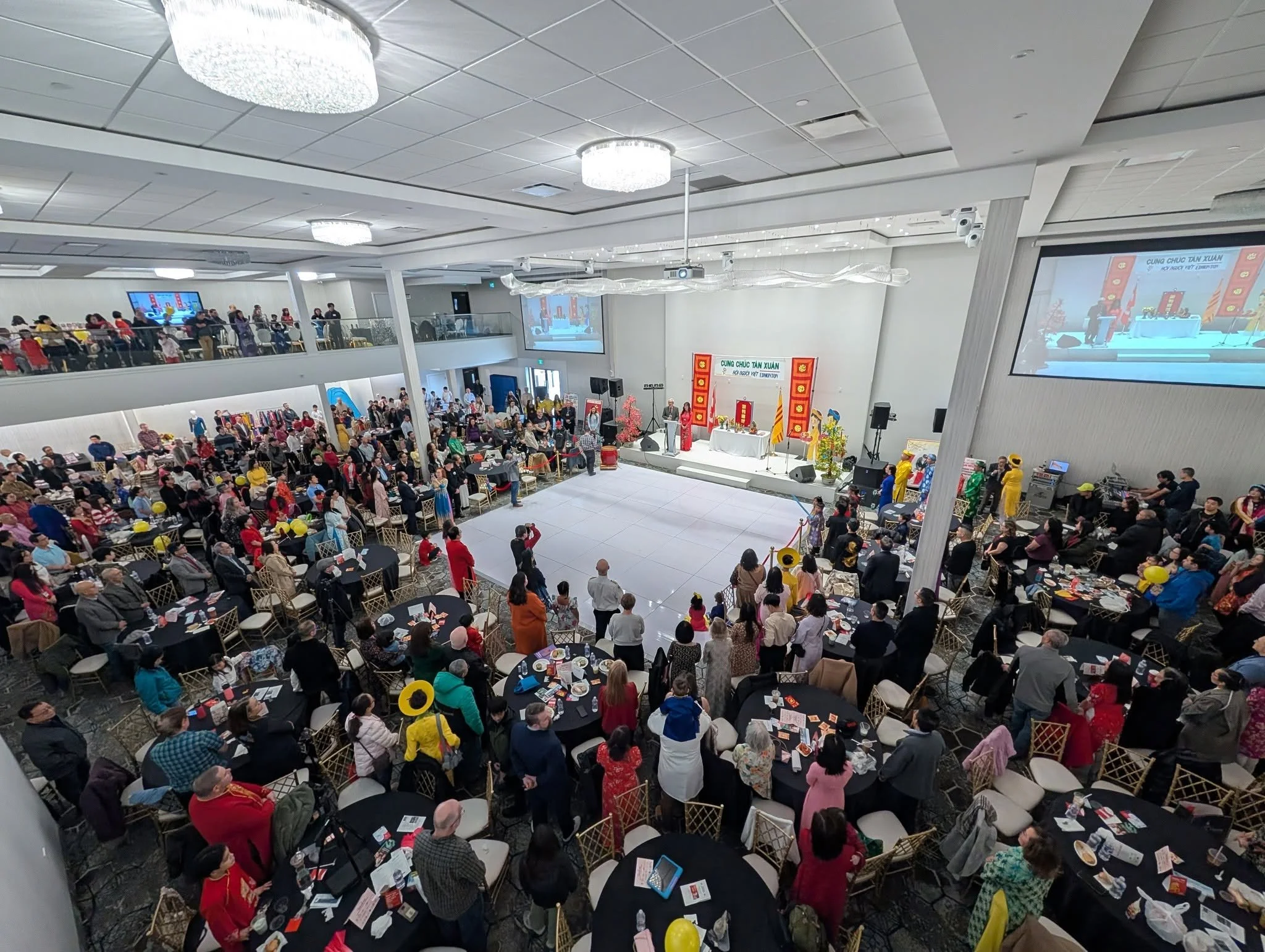
They have also tested other formats, including a Vietnamese Heritage Month poetry and proverbs event and a music night with university students. The question is focus. Linda hopes more Vietnamese artists and businesses will run their own projects, with the group amplifying them. During the first Vietnamese Heritage Month recognized in Edmonton, about 20 Vietnamese businesses were encouraged to offer something of their own. The society's biggest annual fundraiser, a Year-End Banquet, is set for December 5, 2026.
Reflecting on a standout moment
Linda points to the first event, where a 75-year-old man who speaks little English told his boat story in Vietnamese. His son, now around 50, was in the audience and had never heard it. Every time he had asked before, his father declined. "He's like, I can't believe he's sharing this with a huge crowd," Linda recalls. The son was in tears.
Other moments sit alongside it: a woman who flew in from BC for the event and donated her late father's poetry books, a viewer who recognized her grandmother in an archive photo, and a visitor from the Laotian community who left inspired to bring her own community together. For Linda, the stories are how the group's impact is measured.
Advice for others
Linda's first piece of advice is to not be afraid to ask, whether that’s asking for community involvement or asking for monetary or in-kind support. The worst outcome is a no or no reply, and people in events, marketing and nonprofits are often glad to help.
She also urges newcomers to use what local funders offer: attend grant info sessions and book a conversation about which program fits. Linda suspects skipping this step cost them the a potential grant. Going to community events run by others is another good way to meet people and see how they do it. Above all, she says, start before it feels ready. In her words, "a lot of an event is just sending the email to make the thing exist." Do not obsess over details. Good food, space to gather and somewhere to sit matter most, and she says never to skimp on the food. Finally, capture photos from the beginning, since visual proof matters later.