Indigitization for Treaty Six
By Community, for Community
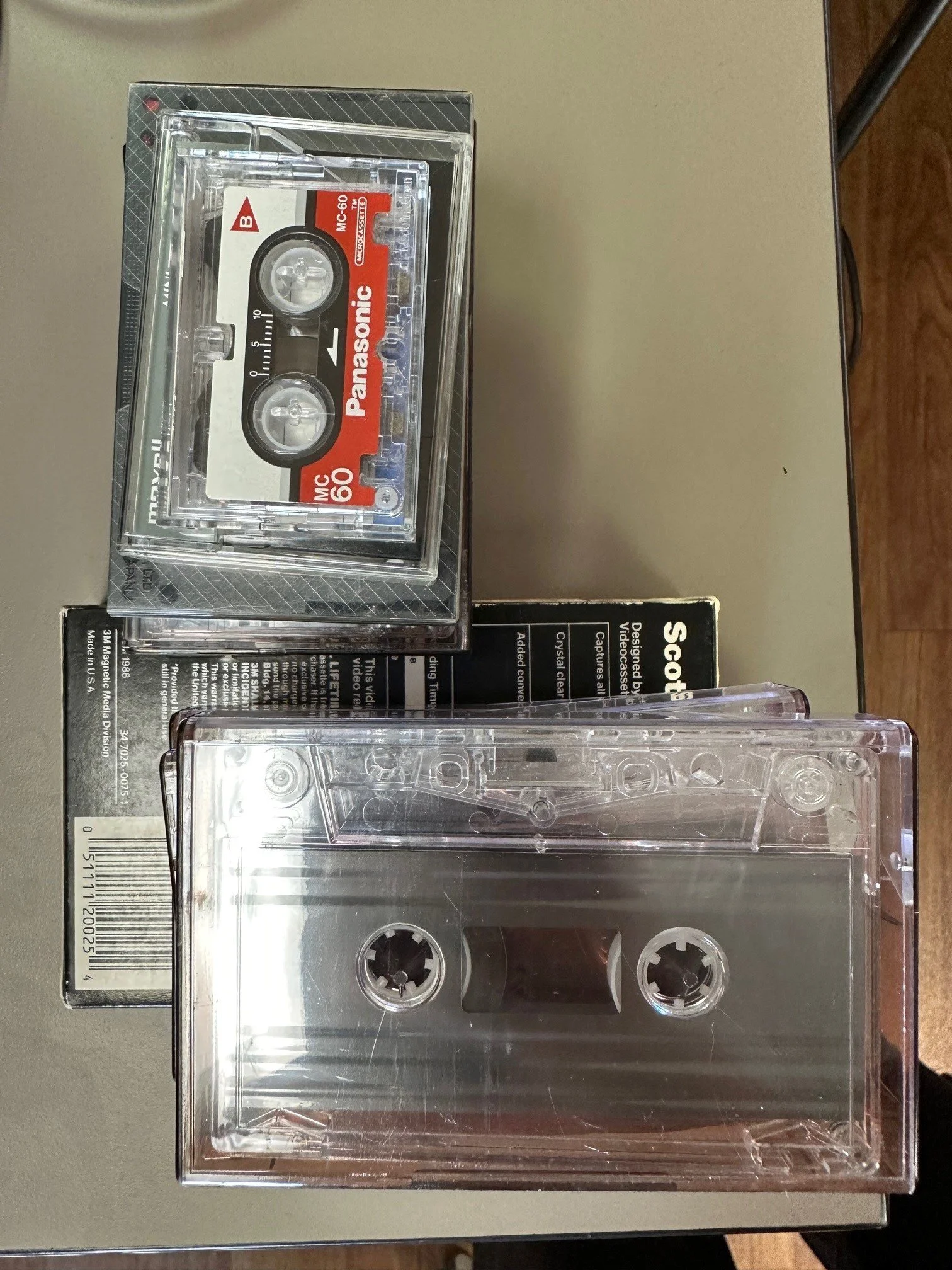
Nika Paziuk, Indigenous Initiatives Coordinator for the Edmonton Heritage Council (EHC), admits she never gave much thought to how many of her community's stories were recorded on cassette. Then she was introduced to Indigitization as part of her role at EHC supporting Funding Indigenous Resurgence in Edmonton (FIRE), and the tapes seemed to be everywhere. "There's really important conversations or teachings or stories being held in someone's uncle's closet somewhere."
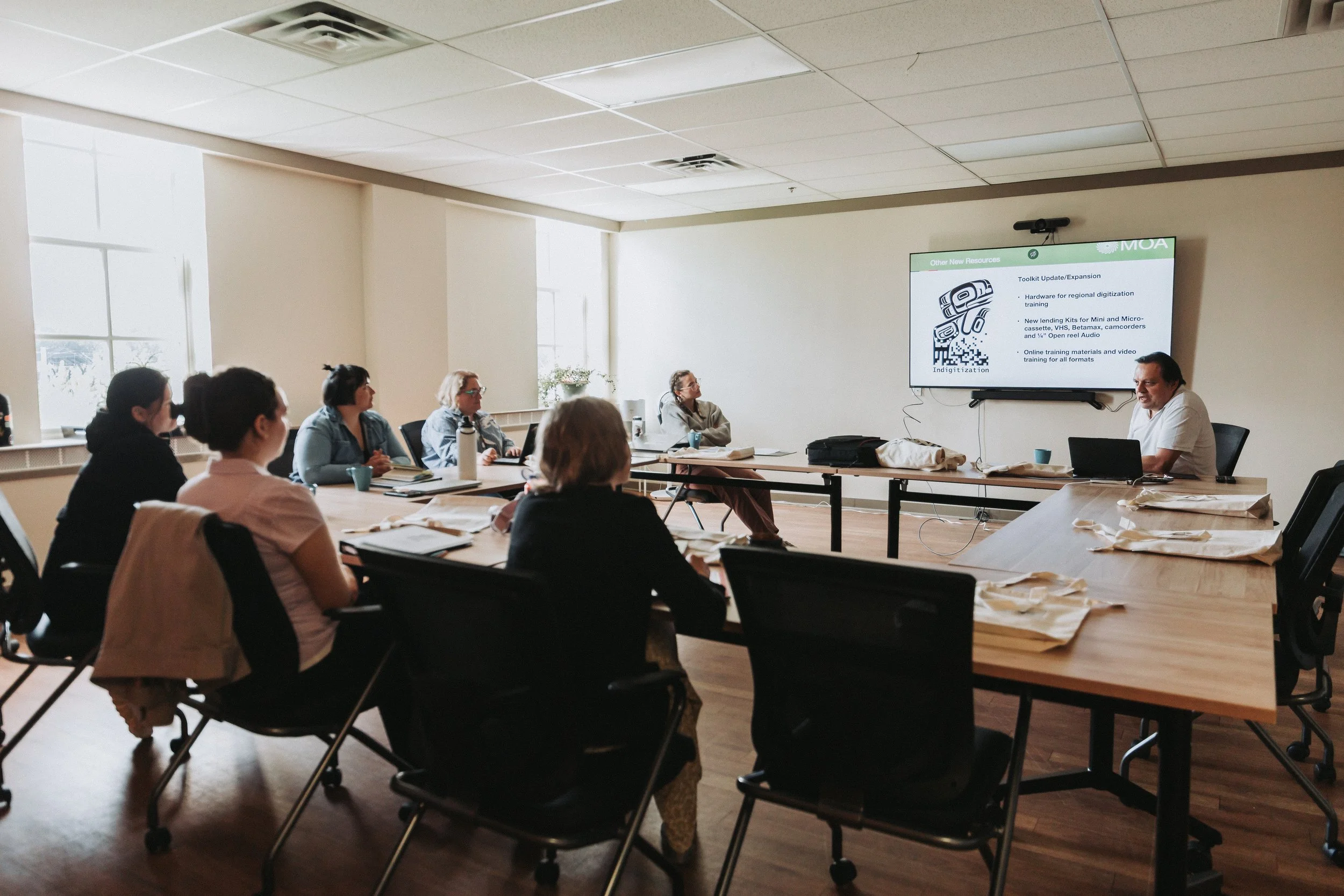
Those tapes hold songs, languages, ceremonial teachings, and political history, and their owners often cannot play them anymore. Indigitization was built to change that. It is a collaboration between BC Indigenous groups and academic partners at the University of British Columbia and the University of Northern British Columbia, created to build skills in Indigenous information management. Its toolkit walks communities through planning a digitization project and handling legacy media such as cassettes and VHS. It also runs training workshops for community-led projects, helps communities find funding, and advocates for sustained funding to go directly to Indigenous partners.
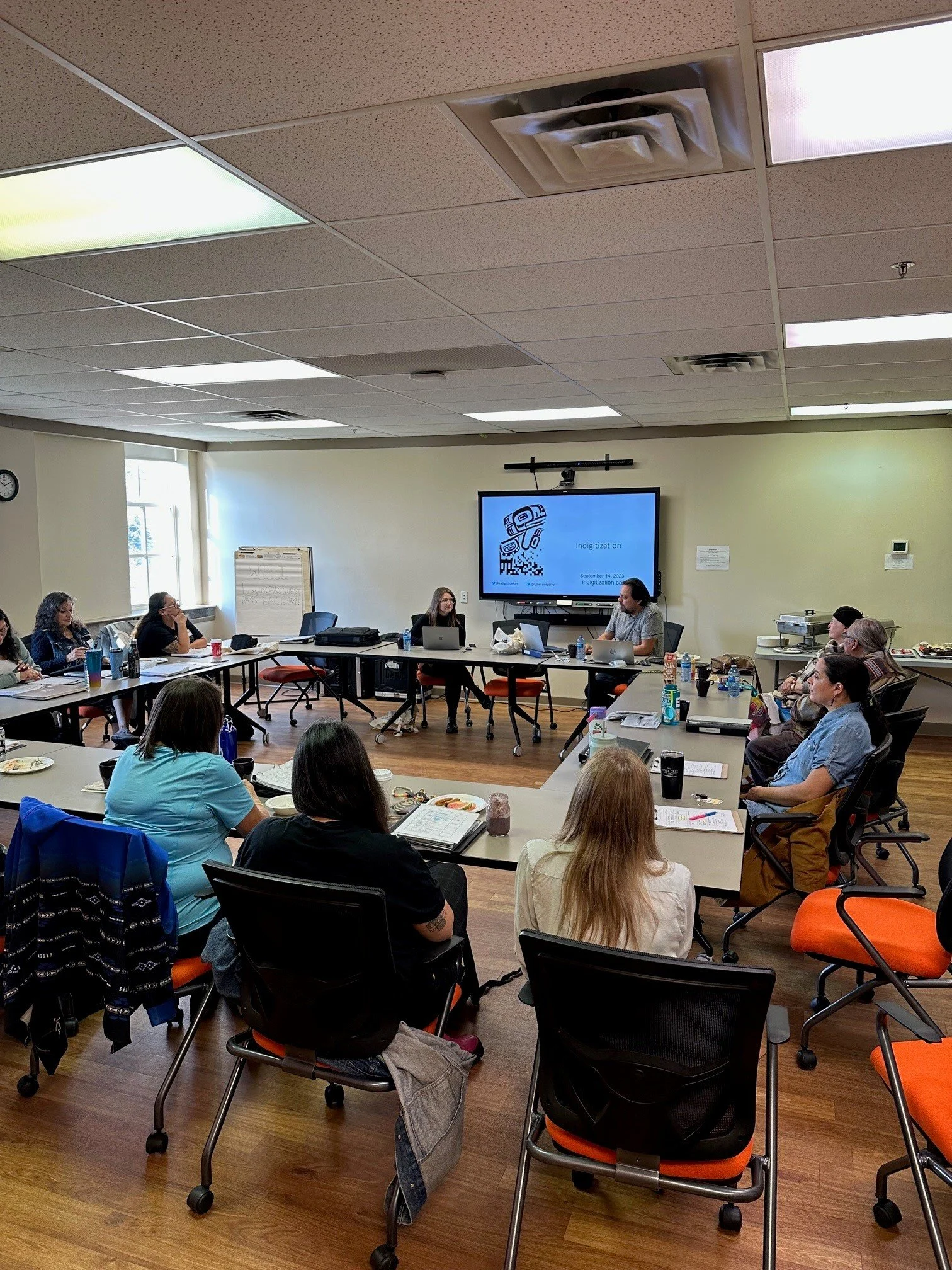
In BC, that work has helped communities revitalize languages and capture stories, and there was strong interest in bringing it to Alberta. Since 2023, EHC and its Funding Indigenous Resurgence in Edmonton (FIRE) grant program have done exactly that, offering Indigitization training in Treaty Six territory. Nika leads the effort, working with facilitator Gerry Lawson, who travels from BC to teach it.

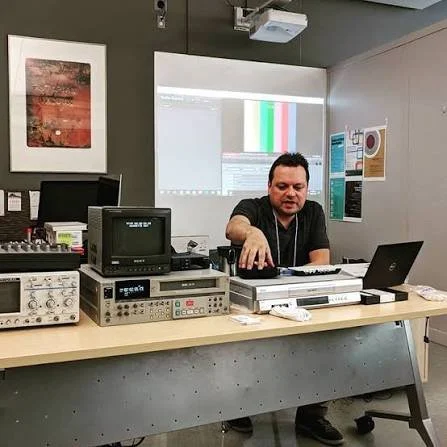
Learning the machine
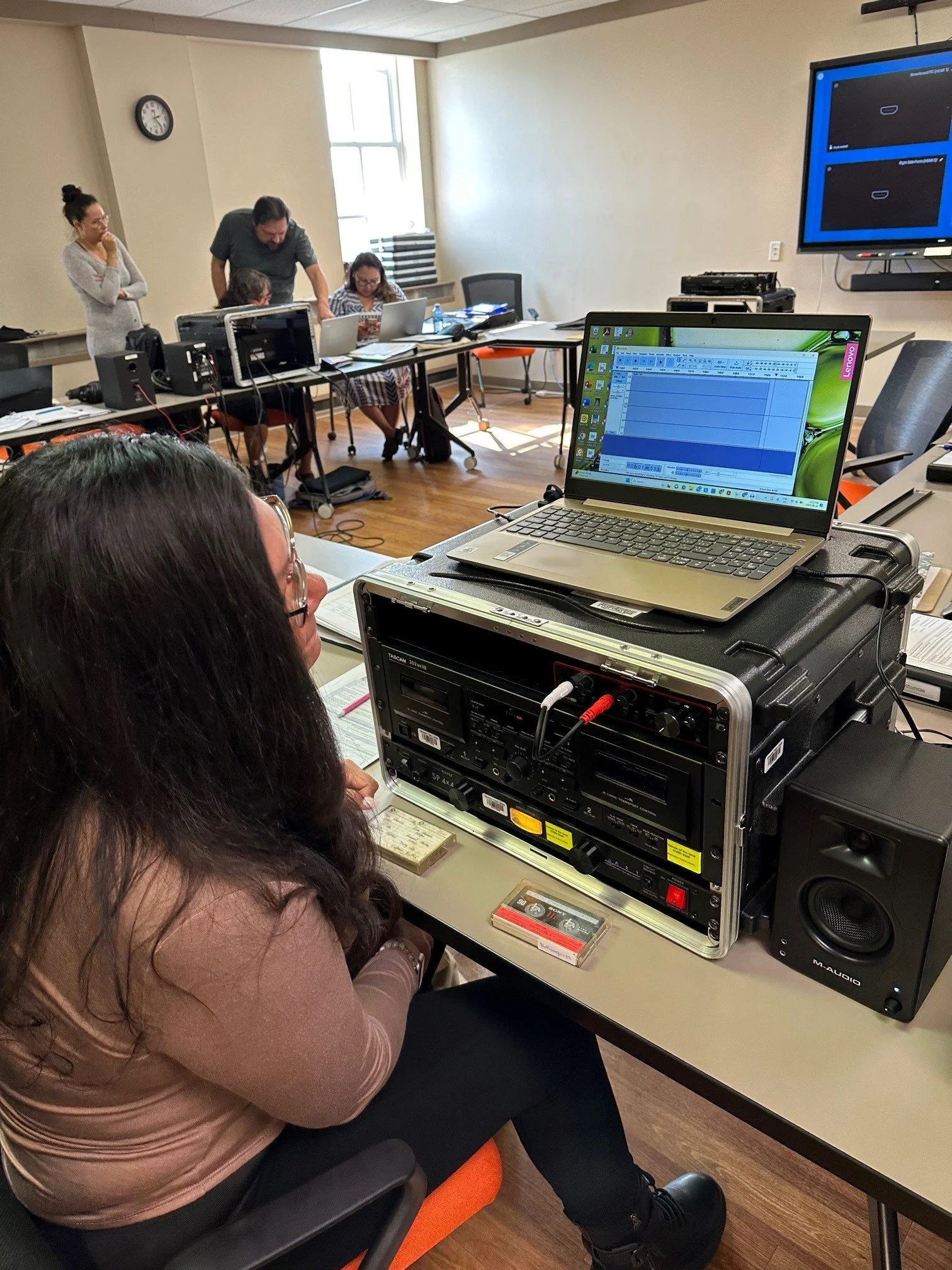
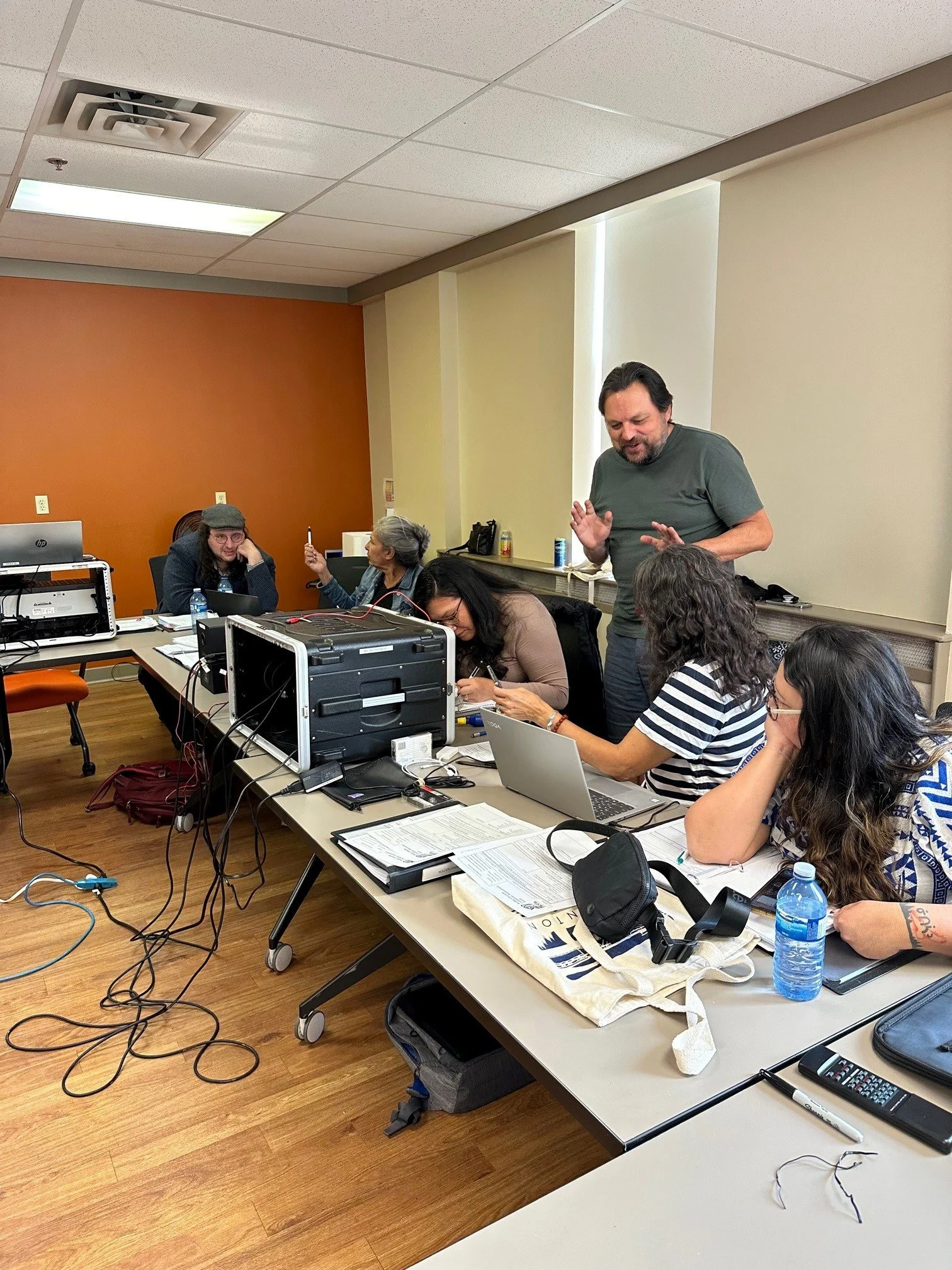
The first time someone opens a digitization kit, it can be intimidating. "It looks really scary," Nika says. "There's a lot of buttons to press, and there's a lot of cables and cords." Gerry's workshops start by easing that fear. Before anyone touches the equipment, participants work through who their digitization tech will be, what space and software they will need, how long tapes will realistically take, and what a budget might look like. For communities with limited internet or equipment, he offers workarounds.
Then they plug everything in. The cables are labelled, and four kits created and hosted by the Edmonton Public Library (EPL) are built to be as user friendly as possible. They are free to borrow with a library card, whether a person lives on or off reserve. "Once you run through it a few times with Gerry's assistance, it's quite easy," Nika says. Participants are encouraged to take a kit home right away, put out a call for tapes in their community, and start.
Who walks in
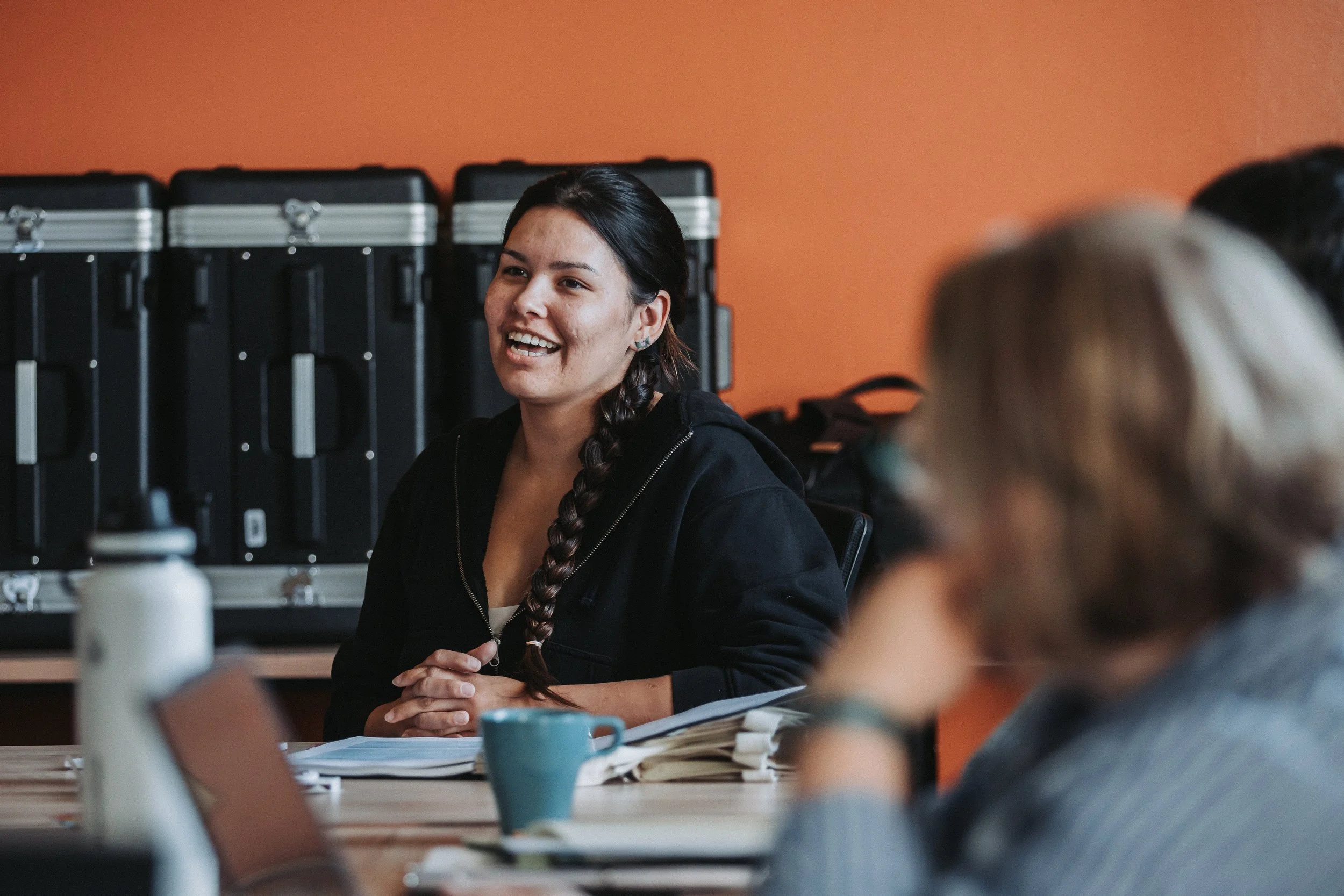
No one profile fits the people who sign up. Youth have come, along with a group of Kokums, staff from Yellowhead Tribal College, and individuals who want to save a family member's tapes after a recent loss. Some have never digitized anything. Others struggle to download software. "Maybe they don't know the computer side, but they know the cassette tape side," Nika says.
What they share is conviction. "The common denominator is community members who have a fire in their belly to preserve their culture," she says. By the end of the workshop, that conviction has turned into confidence, and into something lighter too. "Every time we host a workshop, there's just so much excitement and even joy. It's something that communities know they've been needing for a really long time."
Whose story it is
For Nika, that joy comes from what digitization returns. A tape on a shelf is a recording no one can reach. A digitized one can be shared, studied, and passed down. "It allows them to maintain that knowledge and pass it on to the community members, but also many generations to come," she says. "It's having their voices be their own and having their choices be their own." This is Indigenous data sovereignty in practice: the work is "by community and for community."
The recordings are not all about culture, either. Gerry has digitized recordings from conversations around the White Paper, which shaped the lives of Indigenous people across the country. The tapes also hold the story of how Indigenous people discussed rights and governance at a time when cassettes and VHS were the mainstream media.
At one workshop, guest speaker Rene Georgopalis, Executive Director and Archives Advisor for the Archives Society of Alberta (ASA), offered a line that Nika has kept with her. "Archives start yesterday." Institutions like archives, Nika explains, often rank what counts as important enough to keep, which does not fit Indigenous ways of knowing. Starting from yesterday puts every story within reach.
Beyond the workshops
Gerry is in high demand, and EHC knows it cannot rely on his calendar forever. This August, EHC hosted its first train the trainer session, the first Gerry has ever offered. The goal was to give EHC, EPL, and other partners enough knowledge to carry the work forward.
Nika is also reaching for new partners: the University of Alberta's sound studies program and Faculty of Native Studies, MacEwan University's library technician program, and Mount Royal University. She is building on an existing partnership with ASA, which has helped spread the word through its relationships with archives in Indigenous communities. ASA has also wanted to champion the training further, and the limit so far has been capacity. "My goal is that it lives beyond us," she says. "People shouldn't feel like they only have one opportunity a year to learn about this work."
The proof that a small start can grow already exists. Frog Lake First Nation attended an early workshop and later received funding through Library and Archives Canada's Listen, Hear Our Voices program. They have since updated their community museum and archives. She hopes to bring them back as speakers, to show others what is possible with "a little kernel of knowledge."
A way of showing up
Indigitization is one part of a larger practice. Nika hosts the monthly Indigenous Burial Sites Working Group, where experts share knowledge about Indigenous burials in and around Edmonton. A resource that grew out of it, led by intern Jocelyn, will help people trace loved ones through archival systems in plain language, with release expected around mid 2027. Next year she also expects to begin work on sites of significance in Edmonton, such as ceremonial and Sundance sites, in partnership with the Government of Alberta.
Running through all of it is a commitment to relationship. Nika is writing friendship accords with partners including UBC Indigitization, the working group, and EPL. She chose the term on purpose. Friendship accords were historically oral, and a Wampum Belt is one example. Terms of reference and MOUs, she says, "outline a little bit more colonially who has rights to who and where rights lie," while a friendship accord celebrates "the work that has been done together" and "the gifts that both people are bringing to the space."
The documents also protect something. Staff move on, and relationships can go with them. A friendship accord keeps the relationship with EHC, so the next person inherits the trust along with the contact list. For an organization that calls itself the city's voice for heritage on an Indigenous gathering ground, Nika sees accountability in that.
It all comes back to a simple idea of EHC's role. "Indigenous relationships, connections to land, connections to community go far beyond the colonial borders that have been put on them," she says. EHC's part is to help, not to take the credit. "We just want to be a part of the story, not the whole story."
And there is more to come. "It's just the start," Nika says. "I'm excited for 2027."